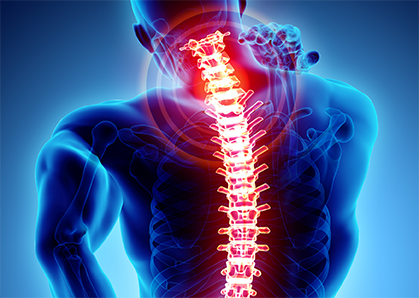
Spinal conditions can affect the vertebrae, discs, nerves, and surrounding structures, leading to pain, stiffness, weakness, or difficulty with movement. Proper evaluation helps determine whether surgical treatment is required.
Common Symptoms
- Persistent back or neck pain
- Pain radiating to the arms or legs
- Numbness or tingling
- Muscle weakness
- Difficulty walking or maintaining balance
- Limited movement
- Symptoms that interfere with daily activities
Diagnosis & Evaluation
The neurosurgeon may review symptoms, medical history, and perform a neurological and physical examination. Imaging such as MRI or CT scans may be recommended to evaluate the spine and identify the underlying condition.
Treatment & Management
Treatment depends on the condition and its severity. Surgery may be considered when symptoms are persistent, nerve compression is significant, or non-surgical treatment has not provided adequate improvement. The surgical approach is selected according to the patient's individual requirements.
Recovery & Follow-up
Recovery varies depending on the type of spinal condition and surgery performed. Follow-up appointments, prescribed medicines, physical rehabilitation, and activity guidance may be recommended to support recovery.
Diagnosis & Treatment Process
Initial Consultation
A detailed consultation to understand your symptoms, medical history, and individual healthcare needs.
Evaluation & Diagnosis
Our specialists evaluate your condition and recommend appropriate examinations or diagnostic tests when required.
Personalised Treatment
A suitable treatment approach is planned according to your condition, medical requirements, and overall health.
Follow-up & Recovery
Regular follow-up helps monitor your progress and supports recovery and continued care whenever required.
Why Choose Us
- Experienced healthcare professionals
- Advanced diagnostic and treatment facilities
- Personalised care based on individual needs
- Patient-focused approach to healthcare