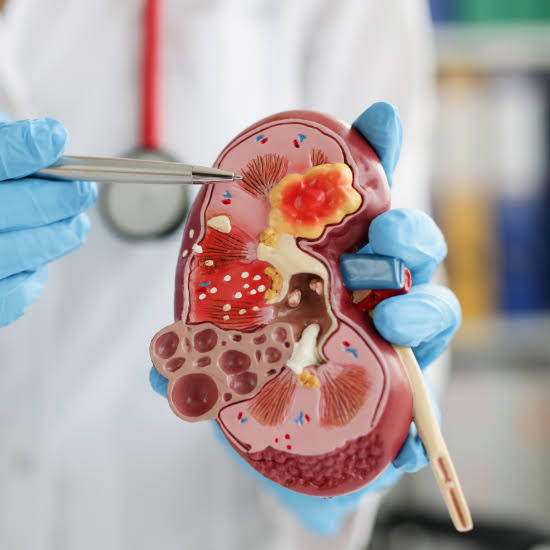
Kidney stones are hard deposits that can develop in the kidneys and may cause pain or difficulty while passing urine. Proper evaluation helps determine the size and location of the stone and the most suitable treatment approach.
Common Symptoms
- Severe pain in the side or lower back
- Pain that may radiate toward the abdomen or groin
- Pain or burning while urinating
- Blood in the urine
- Frequent urge to urinate
- Nausea or vomiting
- Difficulty passing urine
Diagnosis & Evaluation
The urologist may evaluate symptoms, medical history, and perform a physical examination. Urine and blood tests, ultrasound, CT scan, or other imaging may be recommended to identify the size and location of the stone.
Treatment & Management
Treatment depends on the size, location, and type of kidney stone. Smaller stones may pass naturally with appropriate medical guidance, while larger or obstructing stones may require procedures such as shock wave treatment or endoscopic stone removal.
Recovery & Follow-up
Recovery depends on the treatment approach and individual condition. Adequate hydration, dietary guidance, prescribed medicines, and regular follow-up may help support recovery and reduce the risk of future kidney stones.
Diagnosis & Treatment Process
Initial Consultation
A detailed consultation to understand your symptoms, medical history, and individual healthcare needs.
Evaluation & Diagnosis
Our specialists evaluate your condition and recommend appropriate examinations or diagnostic tests when required.
Personalised Treatment
A suitable treatment approach is planned according to your condition, medical requirements, and overall health.
Follow-up & Recovery
Regular follow-up helps monitor your progress and supports recovery and continued care whenever required.
Why Choose Us
- Experienced healthcare professionals
- Advanced diagnostic and treatment facilities
- Personalised care based on individual needs
- Patient-focused approach to healthcare