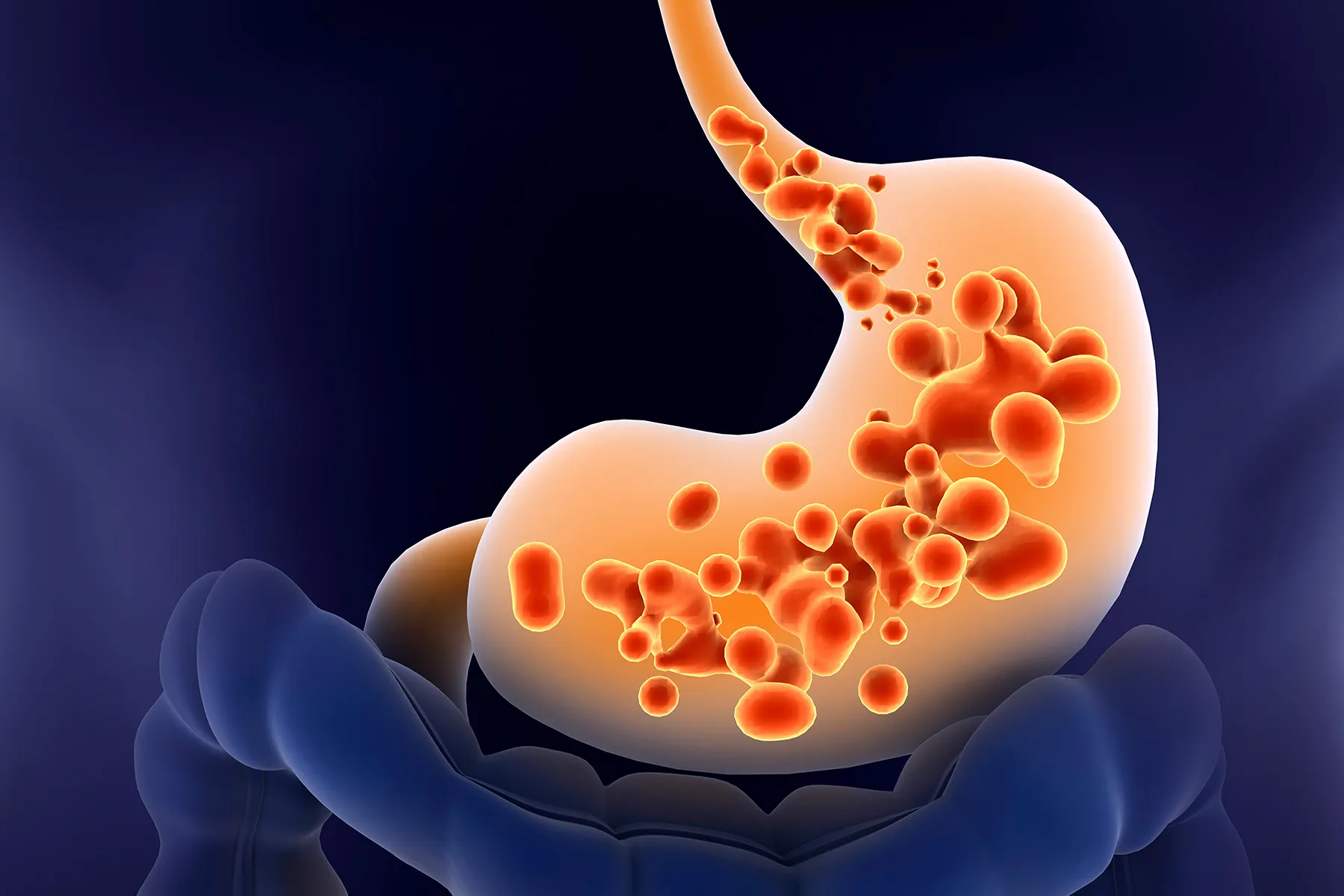
Acid reflux occurs when stomach contents flow back into the food pipe, which can cause discomfort and irritation. When reflux occurs frequently, it may be associated with gastroesophageal reflux disease (GERD) and may require medical evaluation and ongoing management.
Common Symptoms
- Heartburn
- Acidic or sour taste in the mouth
- Regurgitation of food or stomach contents
- Bloating or indigestion
- Chest or upper abdominal discomfort
- Difficulty swallowing
Diagnosis & Evaluation
The gastroenterologist evaluates symptoms, medical history, dietary habits, and other relevant factors. Additional diagnostic tests may be recommended when required to understand the underlying cause and severity of symptoms.
Treatment & Management
Management may include dietary and lifestyle modifications, medicines prescribed by the doctor, weight management, and other treatments based on the individual's symptoms and medical condition.
Ongoing Care
Regular follow-up can help monitor symptoms and assess the response to treatment. Patients should follow their prescribed treatment plan and seek medical advice if symptoms persist, worsen, or interfere with daily activities.
Diagnosis & Treatment Process
Initial Consultation
A detailed consultation to understand your symptoms, medical history, and individual healthcare needs.
Evaluation & Diagnosis
Our specialists evaluate your condition and recommend appropriate examinations or diagnostic tests when required.
Personalised Treatment
A suitable treatment approach is planned according to your condition, medical requirements, and overall health.
Follow-up & Recovery
Regular follow-up helps monitor your progress and supports recovery and continued care whenever required.
Why Choose Us
- Experienced healthcare professionals
- Advanced diagnostic and treatment facilities
- Personalised care based on individual needs
- Patient-focused approach to healthcare