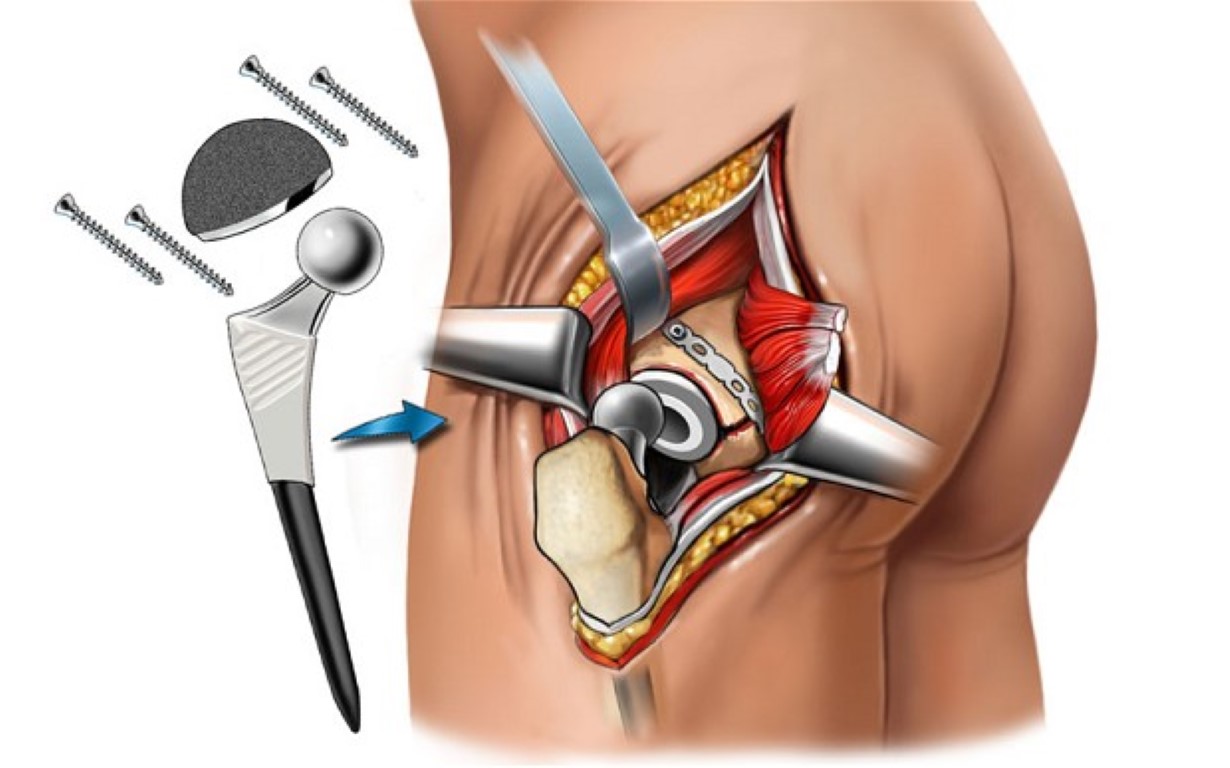
Hip replacement surgery may be recommended when severe joint damage, arthritis, injury, or other hip conditions cause persistent pain and difficulty with movement. The procedure involves replacing the damaged parts of the hip joint with suitable artificial components.
Common Symptoms
- Persistent hip pain
- Difficulty walking
- Hip stiffness
- Reduced range of motion
- Pain during daily activities
- Difficulty climbing stairs
- Pain that affects sleep or rest
Diagnosis & Evaluation
The orthopaedic specialist may evaluate symptoms, medical history, hip movement, and overall joint function. X-rays and other imaging tests may be recommended to assess the extent of joint damage.
Treatment & Management
Depending on the severity of the condition, treatment may include medicines, physiotherapy, activity modification, injections, or hip replacement surgery when conservative treatments do not provide adequate relief.
Recovery & Follow-up
Recovery varies from patient to patient. Physiotherapy, prescribed exercises, appropriate pain management, and regular follow-up are important for improving mobility and supporting recovery after surgery.
Diagnosis & Treatment Process
Initial Consultation
A detailed consultation to understand your symptoms, medical history, and individual healthcare needs.
Evaluation & Diagnosis
Our specialists evaluate your condition and recommend appropriate examinations or diagnostic tests when required.
Personalised Treatment
A suitable treatment approach is planned according to your condition, medical requirements, and overall health.
Follow-up & Recovery
Regular follow-up helps monitor your progress and supports recovery and continued care whenever required.
Why Choose Us
- Experienced healthcare professionals
- Advanced diagnostic and treatment facilities
- Personalised care based on individual needs
- Patient-focused approach to healthcare