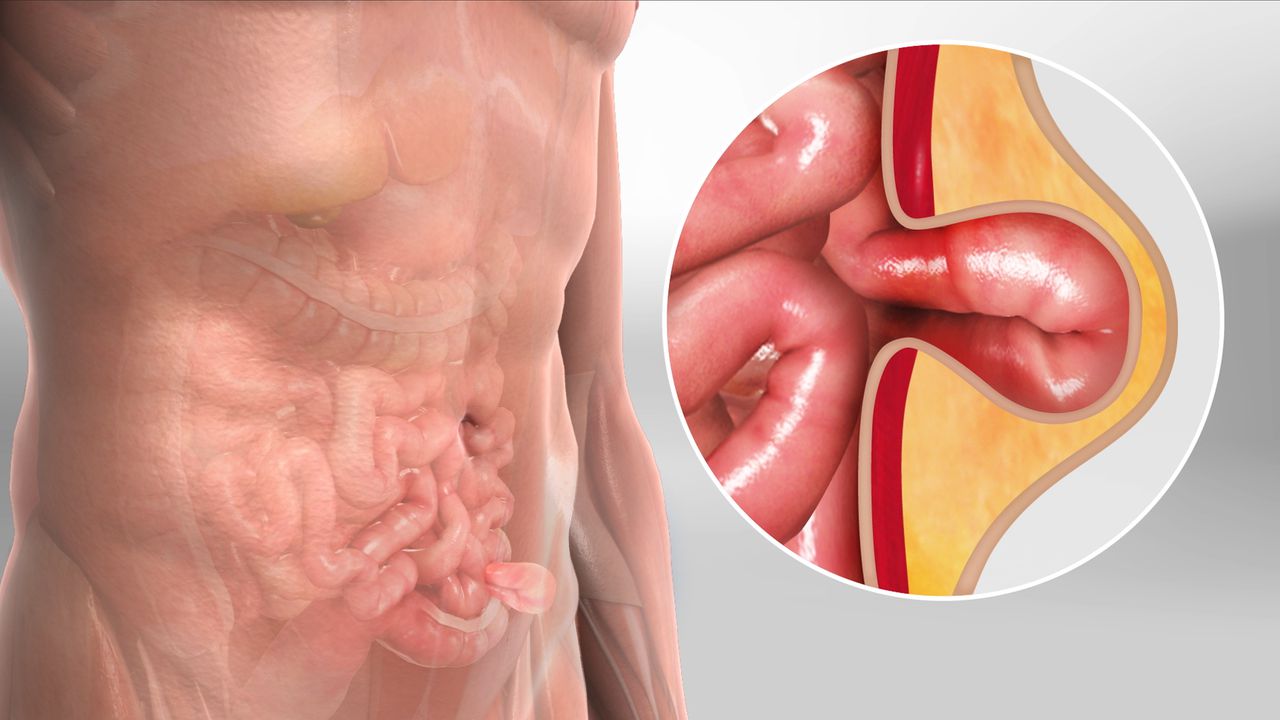
A hernia occurs when an internal organ or tissue pushes through a weakened area of the surrounding muscle or tissue. Proper evaluation helps determine the type and severity of the hernia and the most appropriate treatment approach.
Common Symptoms
- Visible or noticeable bulge
- Pain or discomfort at the affected area
- Heaviness or pressure
- Pain that increases with coughing or physical activity
- Burning or aching sensation
- Difficulty with certain movements
Diagnosis & Evaluation
The surgeon may evaluate symptoms, medical history, and perform a physical examination. Imaging such as ultrasound or other diagnostic tests may be recommended when required.
Treatment & Management
Treatment depends on the type, size, symptoms, and overall condition. Small or minimally symptomatic hernias may sometimes be monitored, while symptomatic or complicated hernias may require surgical repair.
Recovery & Follow-up
Recovery varies depending on the type of hernia and surgical approach. Patients should follow the surgeon's instructions regarding activity, medication, wound care, and follow-up appointments.
Diagnosis & Treatment Process
Initial Consultation
A detailed consultation to understand your symptoms, medical history, and individual healthcare needs.
Evaluation & Diagnosis
Our specialists evaluate your condition and recommend appropriate examinations or diagnostic tests when required.
Personalised Treatment
A suitable treatment approach is planned according to your condition, medical requirements, and overall health.
Follow-up & Recovery
Regular follow-up helps monitor your progress and supports recovery and continued care whenever required.
Why Choose Us
- Experienced healthcare professionals
- Advanced diagnostic and treatment facilities
- Personalised care based on individual needs
- Patient-focused approach to healthcare