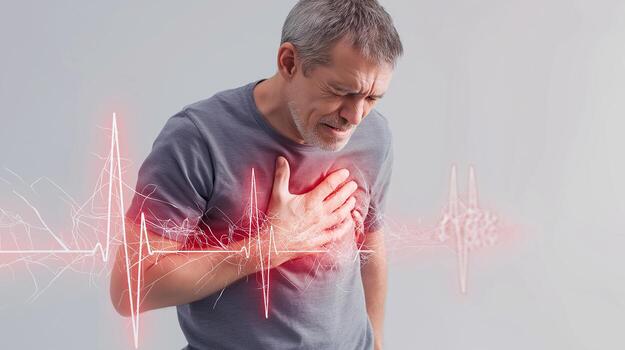
A heart attack occurs when blood flow to part of the heart muscle is significantly reduced or blocked. Prompt medical attention and appropriate cardiac care are important to limit heart muscle damage and reduce the risk of further complications.
Common Warning Signs
- Chest pain or pressure
- Shortness of breath
- Cold sweating
- Nausea or vomiting
- Unusual weakness or fatigue
- Pain or discomfort spreading to the arm, shoulder, back, neck, or jaw
Diagnosis & Evaluation
The cardiologist may evaluate symptoms, medical history, blood pressure, ECG findings, cardiac blood tests, and other investigations to assess the condition and determine the appropriate course of care.
Treatment & Management
Treatment depends on the patient's condition and may include prescribed medications, procedures to restore blood flow, monitoring, lifestyle changes, and other cardiac interventions when required.
Recovery & Follow-up
Recovery varies from person to person. Regular cardiac follow-up, taking prescribed medications, maintaining a heart-healthy lifestyle, and following medical advice are important for long-term heart health.
Emergency Note:
Symptoms suggestive of a heart attack require immediate emergency medical attention and should not be managed through a routine appointment.
Diagnosis & Treatment Process
Initial Consultation
A detailed consultation to understand your symptoms, medical history, and individual healthcare needs.
Evaluation & Diagnosis
Our specialists evaluate your condition and recommend appropriate examinations or diagnostic tests when required.
Personalised Treatment
A suitable treatment approach is planned according to your condition, medical requirements, and overall health.
Follow-up & Recovery
Regular follow-up helps monitor your progress and supports recovery and continued care whenever required.
Why Choose Us
- Experienced healthcare professionals
- Advanced diagnostic and treatment facilities
- Personalised care based on individual needs
- Patient-focused approach to healthcare